In recent years, the field of regenerative medicine has seen remarkable advancements, driven by a deeper understanding of the body's intrinsic capacity to repair and renew itself. Among the promising agents of change are peptides, which are short chains of amino acids that play a crucial role in a multitude of biological processes. As research progresses, peptides have emerged as potent tools in the quest to regenerate tissues and organs, offering new hope for patients with chronic conditions and injure-induced damage.
Peptides are naturally occurring biomolecules and have been recognized for their biological activity and involvement in signaling pathways. They are pivotal in regulating various physiological functions such as inflammation, immune responses, and cell communication. Their relative ease of synthesis, specificity, and safety profile make them ideal candidates for therapeutic applications in regenerative medicine.
One of the foremost applications of peptides is in the healing of wounds and skin regeneration. Certain peptides, such as growth factors, can stimulate the proliferation and migration of cells essential for wound healing, including fibroblasts and keratinocytes. For example, the peptide TGF-beta promotes collagen synthesis and the formation of new blood vessels, which are critical for tissue repair. This has vast implications for the treatment of chronic wounds and burns, where traditional healing processes are often compromised.
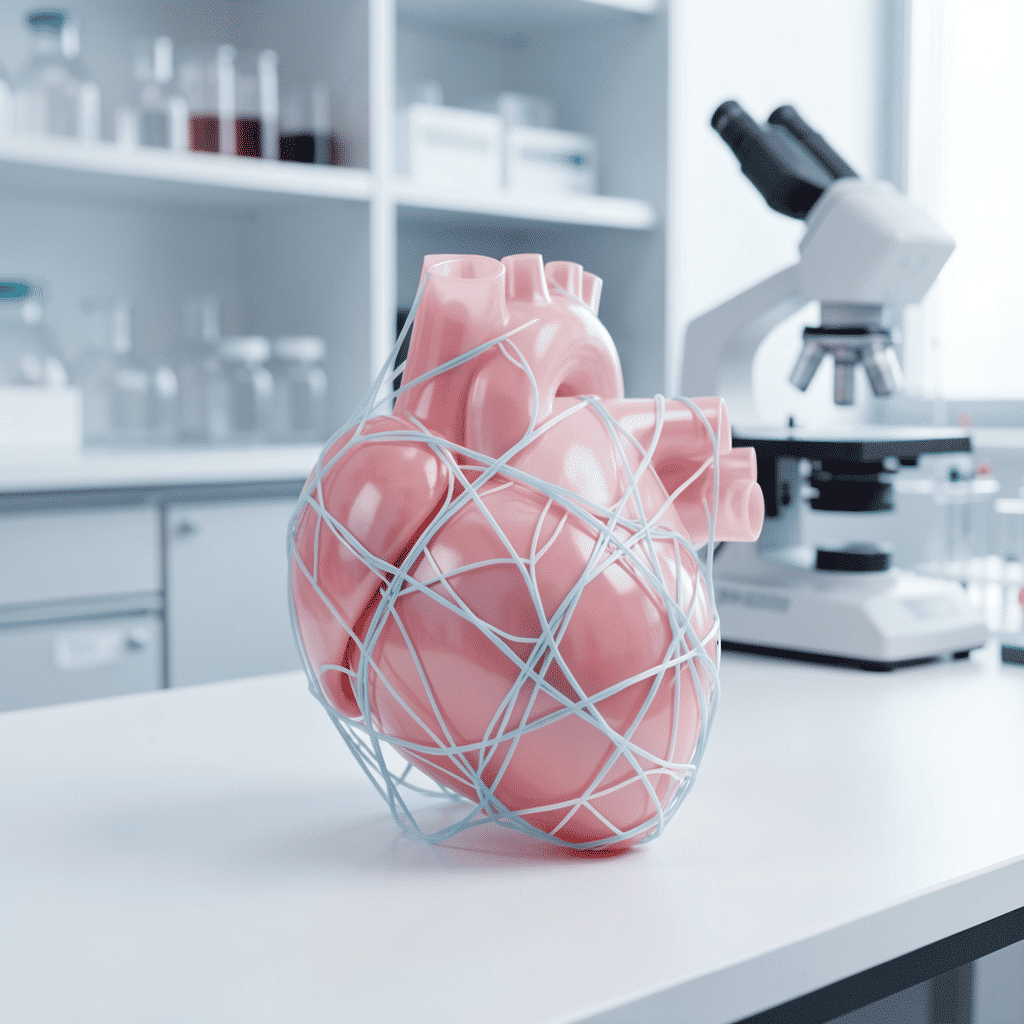
In addition to their role in skin regeneration, peptides are being explored for their potential in regenerating other tissues and organs. For example, in cardiac regeneration, peptide-based therapies aim to promote the repair of heart tissue following a heart attack. Certain peptides can induce cardiomyocyte proliferation and differentiation, processes that are typically limited in adult hearts. Furthermore, peptides can modulate the immune response in such a way that inflammation is reduced, and healing is optimized, reducing the risk of complications.
The potential of peptides extends to bone regeneration as well. Peptide-based scaffolds are being developed to support bone growth and repair. These scaffolds can be designed to release peptides that enhance osteoblast activity and mineralization, which are essential for the formation of new bone tissue. This application could revolutionize the treatment of bone fractures, osteoporosis, and other bone-related disorders.
Moreover, peptides are being investigated for their ability to regenerate nerve tissues. The complexity of the nervous system and its limited capacity for self-repair make it a significant challenge in regenerative medicine. However, certain peptides have shown promise in promoting neural stem cell differentiation and axon growth, providing hope for patients with neurological injuries and diseases such as Parkinson's and Alzheimer's.
As promising as these developments are, the translation of peptide-based therapies from bench to bedside involves a number of challenges. Stability, delivery mechanisms, and potential immune reactions are factors that need to be carefully managed. Advances in peptide engineering and delivery systems, such as encapsulation technologies and nanocarriers, are being developed to overcome these hurdles.
In conclusion, peptides hold significant promise in the field of regenerative medicine. Their specificity, coupled with their ability to interact with the body's natural processes, positions them as powerful agents for tissue and organ regeneration. As research progresses and technologies advance, peptide-based therapies may become a standard part of treatment regimens, providing new avenues for healing and offering hope to those affected by chronic conditions and injuries.