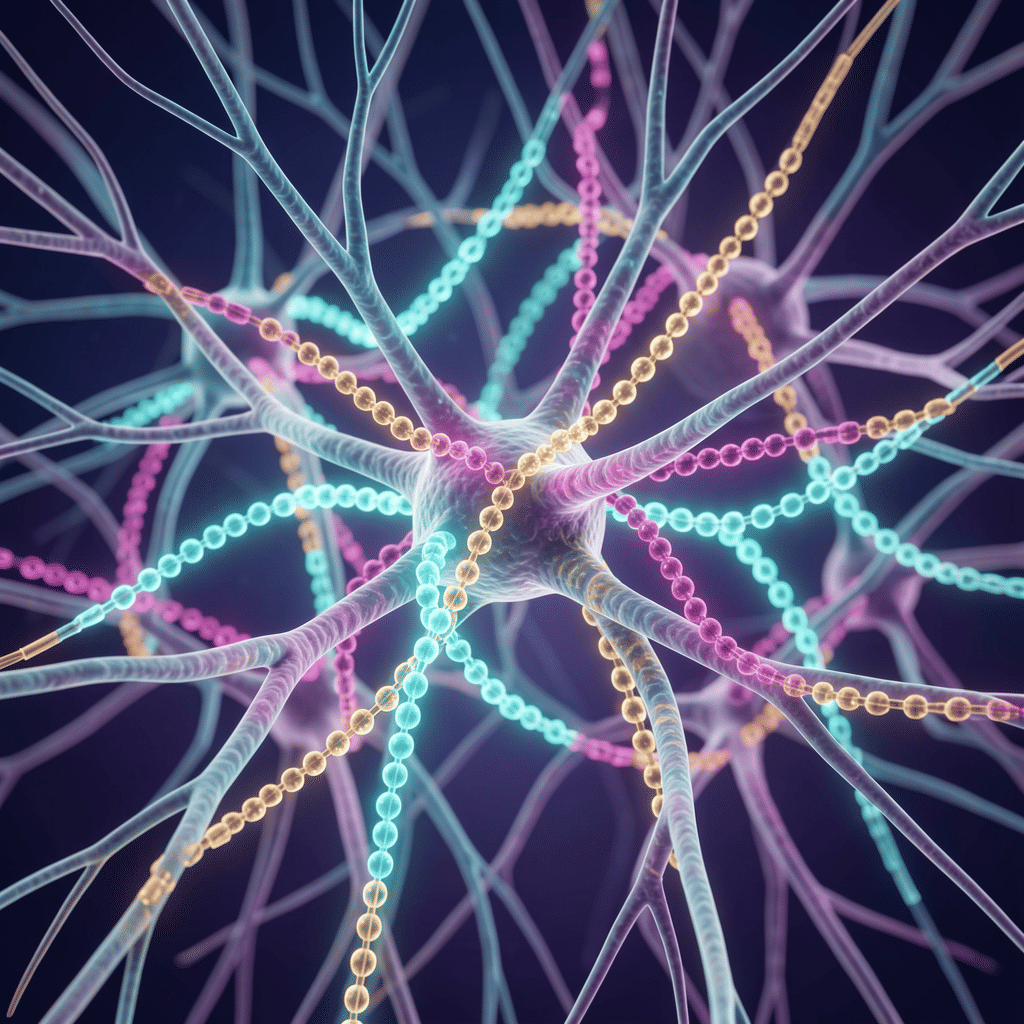
Peptides, short chains of amino acids, have emerged as promising molecules in the realm of neurology, offering renewed hope for the treatment of neurodegenerative disorders such as Alzheimer's and Parkinson's disease. These neurological conditions, characterized by progressive degeneration of neuronal function, currently have limited therapeutic options and pose a significant public health challenge. The multifaceted roles of peptides in these disorders shed light on novel mechanisms of action and potential therapeutic strategies.
In Alzheimer's disease, characterized primarily by the accumulation of amyloid-beta plaques and tau tangles, peptides play a dual role. On one hand, certain peptides like amyloid-beta are pathologically implicated in the disease's progression. Conversely, therapeutic peptides have been designed to interfere with the aggregation of these toxic plaques. By targeting and altering the amyloid precursor protein (APP) processing or amyloid-beta aggregation pathways, these peptides aim to reduce plaque formation, thereby potentially slowing down disease progression.
Furthermore, peptides also influence neuroinflammation, a critical component of Alzheimer's pathology. Anti-inflammatory peptides can modulate immune responses and reduce the detrimental inflammatory environment in the brain, promoting neuronal survival and function. For example, peptides derived from neurotrophic factors are being explored for their ability to support neuronal growth and repair, which is crucial in the context of neurodegeneration.
In the case of Parkinson's disease, characterized by the loss of dopaminergic neurons in the substantia nigra, peptides offer unique avenues for intervention. Peptides that mimic the action of neurotrophic factors have shown promise in promoting dopamine neuron survival and improving motor function. One such peptide, Neuropeptide Y, has demonstrated neuroprotective properties by reducing oxidative stress and inflammation, both of which are critical factors in Parkinson's pathogenesis.
Additionally, alpha-synuclein, a protein that forms toxic aggregates in Parkinson's disease, presents another target for peptide-based therapies. Peptides designed to disrupt the aggregation of alpha-synuclein or to enhance its clearance from neuronal cells are actively being investigated. These peptide treatments aim to prevent or reduce the toxic impact of alpha-synuclein aggregates, potentially slowing disease progression.
Challenges in delivering peptide therapies, such as stability and permeability across the blood-brain barrier, are being addressed with innovative technologies, such as peptide modifications that enhance their bioavailability and targeted delivery systems that ensure effective transport to the brain.
In conclusion, the potential of peptides in neurology, particularly in the context of Alzheimer's and Parkinson's diseases, is substantial. By targeting specific pathological processes and supporting neuronal health, peptide-based therapies could transform the landscape of neurodegenerative disease treatment. Continued research into peptide functionality and delivery mechanisms will be pivotal in realizing their full therapeutic potential, offering hope for millions affected by these debilitating conditions.